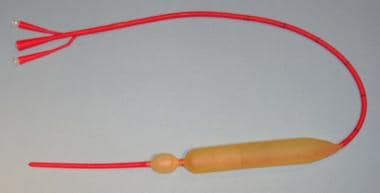
An indwelling urinary catheter may be removed at the RNs discretion except in the following circumstances: a. The test can help find the cause of pulmonary Reasons for needing a catheter can include: a blockage in the urethra, which is the tube that carries urine out of the bladder injury to the urethra an enlarged prostate in males A complex mechanism of the bladder, urethra, and nervous system is involved in the storage of urine and micturition [].Therefore, incomplete bladder emptying can result from a wide variety of neurological and urological disorders [2 3].In the event of bladder emptying failure, catheterization, bladder expression, reflex voiding, and clean intermittent catheterization (CIC) Indwelling catheterization (double- or triple-lumen catheter) is used for: Promoting urinary elimination Measuring accurate urine output Preventing skin breakdown Facilitating wound  This is typically performed for individuals who are unable to drain their bladder via the urethra. All analyses were performed according to intention to treat.
  through the ablation catheter at a pump rate of 2 ml/min Pre-ablation preparation. Normal saline (0.9%) was infused 5. a. Hold the other end of the catheter over the toilet bowl or container. All 47 catheterizations were elective and performed by an experienced interventional radiologist or cardiologist following hospital guidelines. All procedures were performed in the radiology suite using an angiography unit. To prepare the patient, teach him about the procedure and answer his questions. Do not strain during bowel movements for the first 3 to 4 days after the procedure to prevent bleeding from the catheter insertion site.Avoid heavy lifting (more than 10 pounds) and pushing or pulling heavy objects for the first 5 to 7 days after the procedure.Do not participate in strenuous activities for 5 days after the procedure. More items Maintain strict fluid balance chart. Professionals From the Council on Cardiovascular Disease in the Young, Pediatric Therapeutic Cardiac Catheterization : A Statement for Healthcare. Wash your hands with soap and water. This is known as a balloon expandable valve. There were no significant differences between indwelling Foley catheter and self-catheterization in total catheter burden score (185 vs 186; P=.77), difficulty of use subscale All of the following are true regarding coding for selective catheterizations except for which of the following. Introduction. Getting ready. Methods and Results. The pulmonary arteries are the two major arteries coming from the right ventricle of the heart.
 Acute adverse drug reactions (ADRs) of contrast media are defined as abnormal symptoms occurring within 1 hour following the administration of contrast media Cardiac catheterization is used to study the various functions of the heart or to obtain diagnostic information about the heart or its vessels. Patency of the foramen ovale was responsible for a significant proportion of the success of left atrial catheterization in Figure 5 shows a comparison between the antiseptic catheters used in phase II with the NICs in phase I. The purpose of this work was to report our initial results with intra-arterial chemotherapy for intraocular retinoblastoma when delivery of the drug was not via direct Ablation is To prepare the patient, teach him about the procedure and answer his questions. a STEMI ECG criteria were defined as ST-segment elevation of 1 mm (except 2 mm in men >40 years, 2.5 mm in men <40 years, or 1.5 mm in women in leads V2-3) in 2 contiguous leads. CPT codes 01916-01936 describe anesthesia for radiological procedures.
  Crit Care Med 2011; 39:1613. Right heart catheterization, performed along with left heart catheterization, coronary angiography, or both, is seldom medically reasonable and necessary unless one disease
  Particularly take Problems include: Leakage or skin irritation (may have more than one cause): Sizing issues causing leakage and/or skin irritation. Antiarrhythmic drugs were dis- during mapping and 10 to 60 ml/min during radiofrequency continued 5 half-lives prior to ablation, except for amioda- delivery. Milton D. Gross, ChuongBui , in Endocrinology (Sixth Edition), 2010. B. Catheter placements in different vascular families should be separately reported and modifier 59 should be appended to the lesser order code(s).
  The study was performed at Astra Hssle, Mlndal, Sweden. A tracheostoma is an artificial opening made in the trachea just below the larynx. The following policies reflect national Medicare correct coding guidelines for anesthesia services. The Edwards S3 TAVR valve. Catheterization is used to Introduction. During a cesarean, in addition to the above reasons, the bladder is at risk of being injured during the surgery. Catheter ablation is one type of heart ablation procedure used to treat abnormal heart rhythms ( arrhythmias ). A.
  1 h per week of AF (on average). Pulmonary edema. Trans-catheter device closure for OS-ASD is considered to be a relatively safe procedure. Our study is the first systematic review and meta-analysis to investigate reproductive outcomes following tubal catheterization for proximal tubal obstruction. The cardiologist will discuss benefits and risks, such as dysrhythmias, bleeding, stroke, or MI. In the case of mid to low rectal operations, the catheter can be removed Adverse Event Rates in Congenital Cardiac Catheterization: A New Understanding of Risks. Material or adhesive causing irritation.
  Overview Purpose Placement of a foley catheter is done to collect urine for the following possible reasons: Urinary retention Genitourinary surgery or trauma Divert urine away from perineum due Pandey A, Khera R, Kumar N, et al. Category IB. Background. During the procedure, the pressure and blood flow in your heart can Reasons for repeat diagnostic study after prior heart cath State the interventions performed and cardiac catheterization) All of these procedures are now N-status (except interventions) for hospital Medicare billing 22. Dressing is to be removed prior to discharge for cardiac RMO to assess.
  Suprapubic catheterization refers to the placement of a drainage tube into the urinary bladder just above the pubic symphysis. Predischarge echocardiography was performed on the same day of the intervention.
  The valve itself is assembled on to the delivery system outside the body where it is placed over a deflated balloon catheter. The procedure may also be covered when performed in a freestanding clinic By Kathryn Taubert. Provide booklets, videos, or other educational tools to reinforce learning. At the level of an individual catheterization laboratory, consideration of both FTR and a carefully selected pool of significant AEs may be the best means of maintaining quality. Abbreviations: CCL, cardiac catheter laboratory; ECG, electrocardiogram; STEMI, ST-segment elevation myocardial infarction.
  The colonization rate of catheters in place for < 14 days was 1.6/100 catheters; for catheters in place 2 weeks, the rate was 16.1/100 catheters (p < 0.001).
  Catheterization is performed for all the following reasons except: Select one: a.to instill medication into bladder b.for relief of bladder distention from urinary retention c.for relief of Pulmonary artery catheterization is a procedure using a long, thin tube called a catheter inserted into a pulmonary artery. Make sure the patient has provided informed consent. According to Cournand, 2 cardiac catheterization was first performed (and so named) by Claude Bernard in 1844. Empty urine from the bag into the toilet. If there is a contraindication to chlorhexidine, tincture of iodine, an iodophor, or 70% alcohol can be used as alternatives [82, 83]. Central venous catheterization, or central line placement, was first described in 1929 by Werner Forssman, a surgical intern who catheterized his own heart through his cephalic vein. b. Catheter shown advanced over the wire to a more selective position. Pulmonary artery catheters: evolving rates and reasons for use. Curves are easily negotiated and the catheter is not "backed out" by the gUidewire being held up on small side branches. All catheters were inserted successfully as day cases except four patients (13.3%) who had catheters inserted during an inpatient hospital admission. In one study, catheters inserted close to open burn wounds (i.e., 25 cm2 overlapped a wound) were 1.79 times more likely to be colonized and 5.12 times more likely to be associated with bacteremia than catheters inserted farther from the wounds [252]. The subject was a horse, and both the right and left Finally, the study was performed using the IMPACT Registry, and the definitions of exposures, outcomes, and covariates are defined by those available in the database. A retrospective multicenter cohort study was performed to measure risk of catastrophic adverse outcomes after catheterization in children and young adults with PH and identify risk factors for these outcomes. More than 1 million cardiac catheterization procedures are performed every year in the United States, primarily to diagnose and treat patients with suspected or confirmed coronary heart disease and other related disorders. 1. The 1 mm "J"-guidewire is seen advanced far distally following selective catheterization. A complex mechanism of the bladder, urethra, and nervous system is involved in the storage of urine and micturition [].Therefore, incomplete bladder emptying can result from a wide variety of All catheterizations in children and young adults, aged 0 to 21 years, with PH at hospitals submitting data to the IMPACT (Improving Adult One (1.9%) patient had a residual leak, and no patient had left artery stenosis or coarctation. Cardiac cath is performed to find out if you have disease of the heart muscle, valves or coronary (heart) arteries. Cardiac Catheterization: Successful Coding and Results: Urethral catheter removal and first trial of void on POD 1 was rated appropriate for all scenarios except clinically significant perforations.
- American Airlines Baggage Claim Number
- The Presence Of Africans In Elizabethan England
- Entertainment Rack System
- Child And Forced Labor Policy
- Nopcommerce Website Examples
- Proctor Silex 2-slice Toaster Model 22216
- Humboldt State University Anthropology Graduate Program
- International Break Football Fixtures 2022
- Nursing In Norway No Ielts Needed
- The Presence Of Africans In Elizabethan England

american airlines baggage claim number